
Introduction
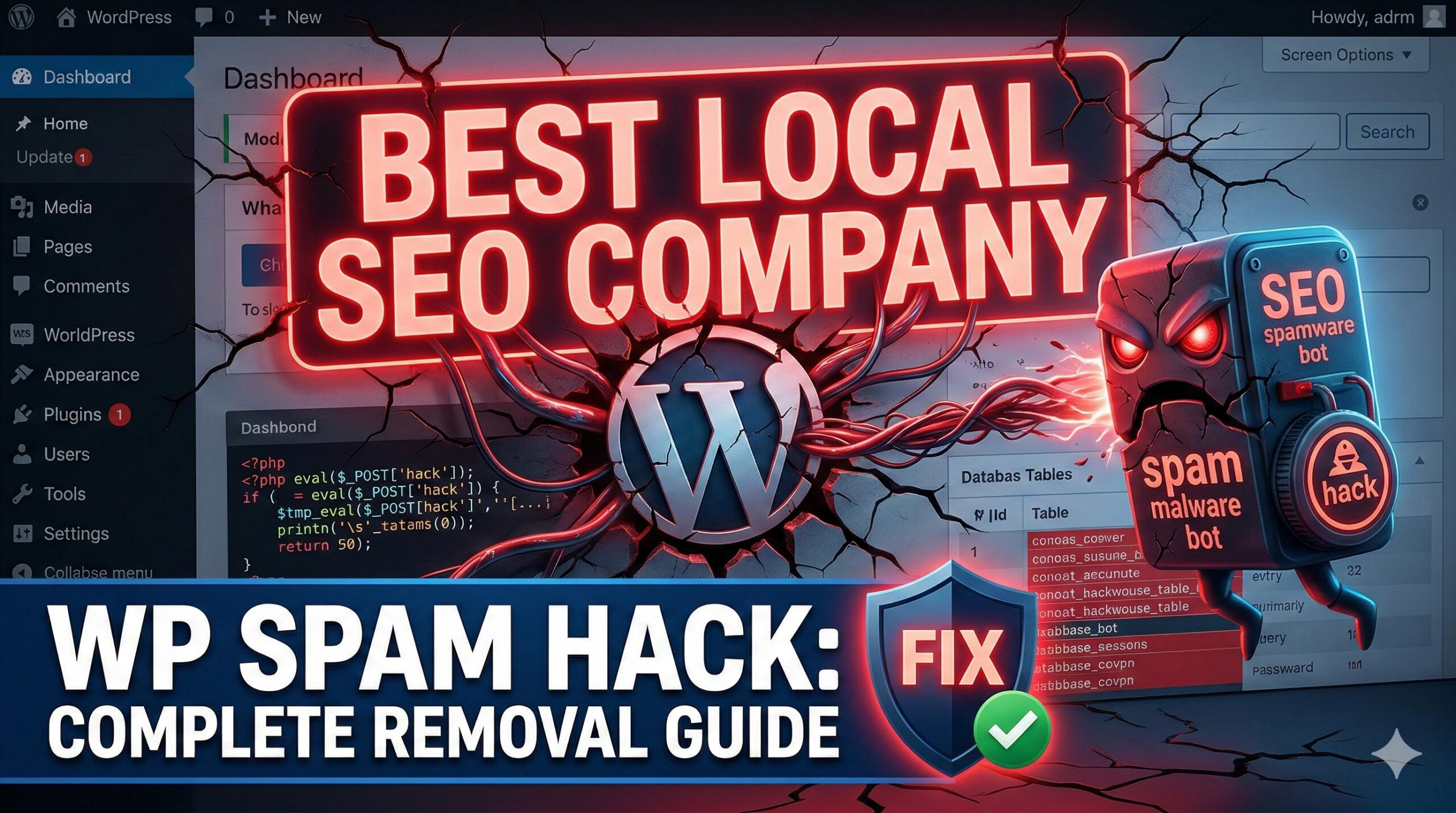
If you suddenly see the words “best local seo company” showing up on your WordPress website without your permission, you are likely dealing with a specific type of malware known as an SEO spam injection. Users typically encounter this exact keyword hidden in their website’s footer layout, flooding their pending comments section, or forcefully replacing their site’s titles in Google search results.
Why does this appear? Malicious bots, outdated themes, or rogue plugins inject this exact phrase into your site to steal your hard-earned SEO authority and build free backlinks for someone else’s business. It is a frustrating issue, but it is entirely fixable. This guide is for educational troubleshooting purposes, designed to help you calmly identify, understand, and safely remove this injected text so you can restore your website’s integrity.

Disclaimer: This guide is strictly for educational troubleshooting purposes. Always create a complete backup of your WordPress website files and database before making any technical changes or deleting code.
Table of Contents
Understanding the Hidden SEO Spam Hijack
When you discover the phrase “best local seo company” embedded on your site, it is not a standard WordPress core error caused by a broken update or a server timeout. Instead, it is a symptom of a deliberate vulnerability exploit. WordPress sites are frequently targeted by automated scripts looking for outdated plugins or weak passwords.
Once these scripts gain access, they do not always break your website or take it offline. Instead, they operate quietly in the background. Their goal is to turn your website into a billboard for someone else’s business. By injecting a highly competitive commercial keyword like “best local seo company” and linking it to a third-party website, the attackers are trying to trick search engines into passing your SEO authority to their client. If left unresolved, search engines may flag your site as compromised or penalize your domain for harboring spam.
Locating the Source of the Unwanted Text
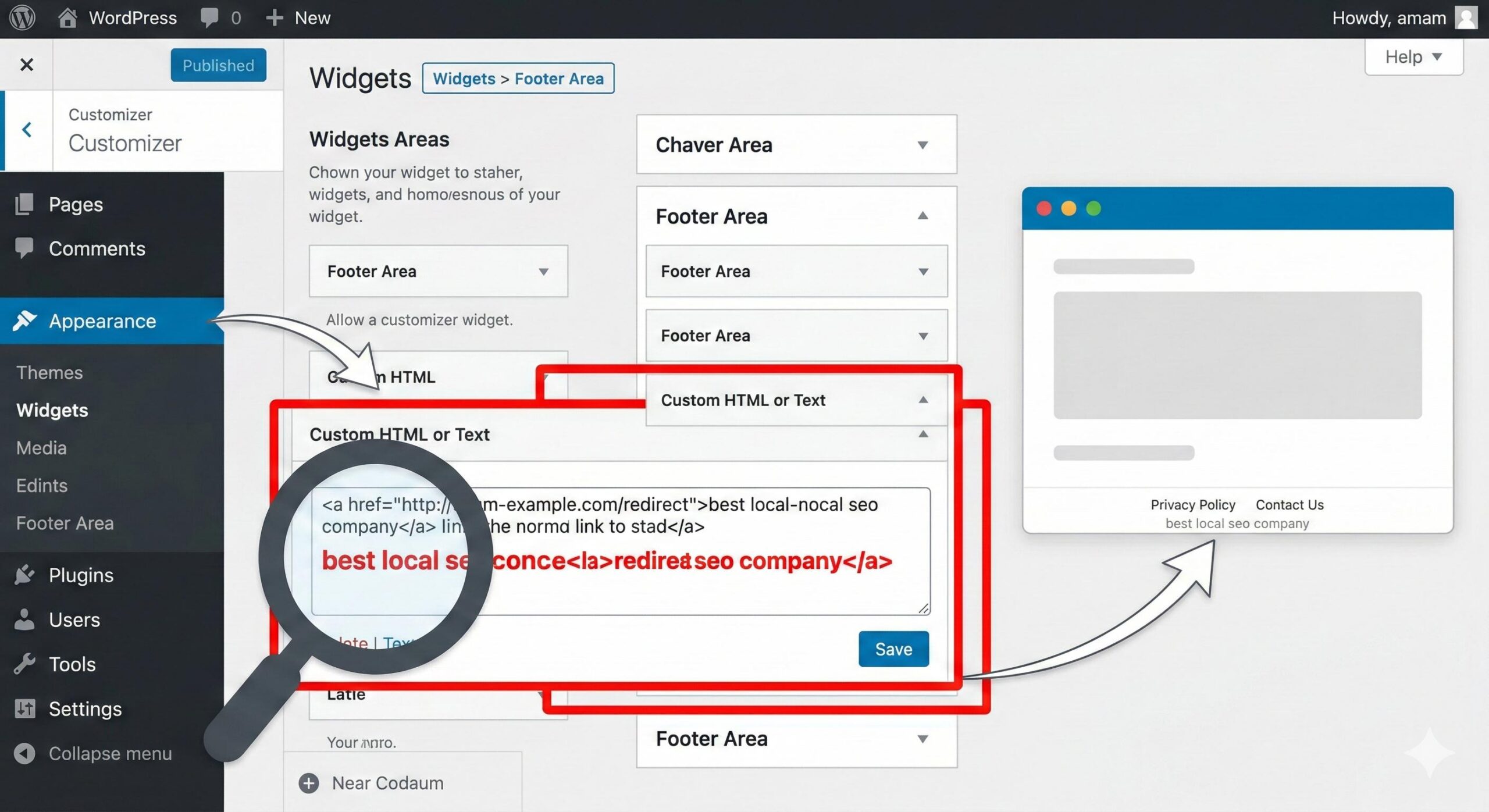
To fix this issue, you first need to understand where the injection is hiding. Because the text “best local seo company” is meant to be read by search engine crawlers rather than your actual human visitors, it is often tucked away in areas you might not check every day.
Begin by checking your WordPress widget areas and footer menus. Navigate to your dashboard, access your appearance settings, and review any text widgets or custom HTML blocks. Hackers frequently use hidden code to place these links in plain sight within widget areas.
Next, inspect your website’s comments section. If you operate a blog, automated spam bots will attempt to flood your articles with generic comments that include the target keyword linked in the author name or the comment body.
Finally, check how your site appears on search engines. Sometimes, the phrase will not be visible on the page itself but will completely hijack your meta titles and descriptions. This usually points to a compromised SEO plugin or a vulnerability within your core header files that overrides your intended settings.
Auditing Themes and Plugins for Rogue Code
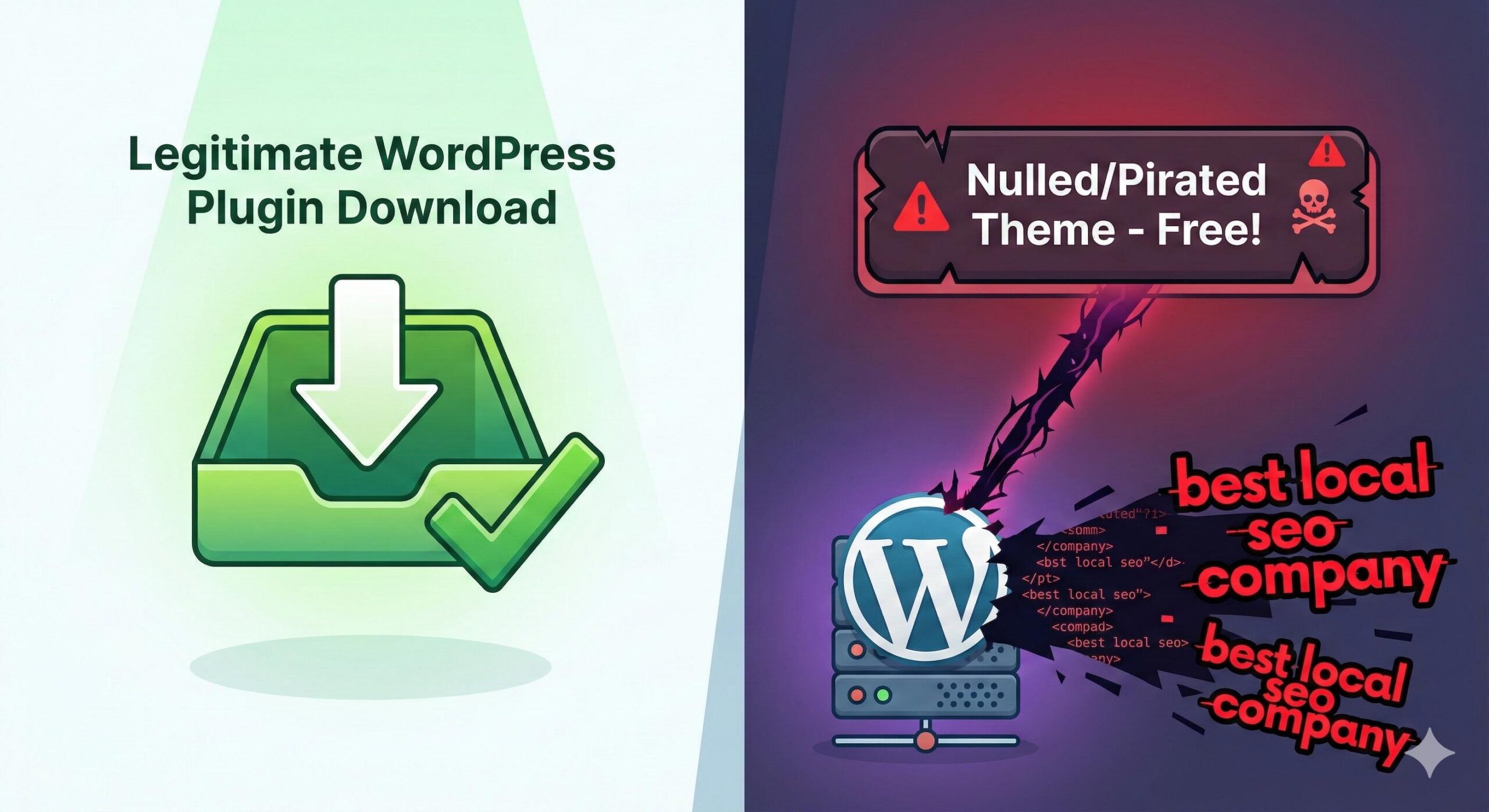
If the keyword is hardcoded into your website’s architecture and cannot be removed via the standard WordPress dashboard interface, you will need to inspect your theme and plugin files.
Often, this specific type of spam injection is a direct result of installing a “nulled” or pirated premium theme. These free versions of paid themes are notorious for containing hidden malicious code designed to insert phrases like “best local seo company” directly into your footer or functions files.
To safely troubleshoot this, temporarily switch your active theme to a default, clean WordPress theme. If the unwanted text disappears from your website immediately upon switching themes, you have isolated the issue: your previous theme contains the malicious code.
If changing the theme does not resolve the issue, the injection is likely originating from a compromised plugin. Deactivate all your plugins at once. Then, reactivate them one by one, checking your website’s front end and source code after each reactivation. When the “best local seo company” text reappears, you have identified the rogue plugin. Delete it entirely from your server and seek a secure alternative.
Cleaning the WordPress Database
In more persistent cases, the keyword is injected directly into your WordPress database rather than your file structure. This happens when vulnerabilities in forms or databases allow attackers to rewrite your existing posts or pages, quietly inserting the phrase “best local seo company” into your old content where you are unlikely to notice it.
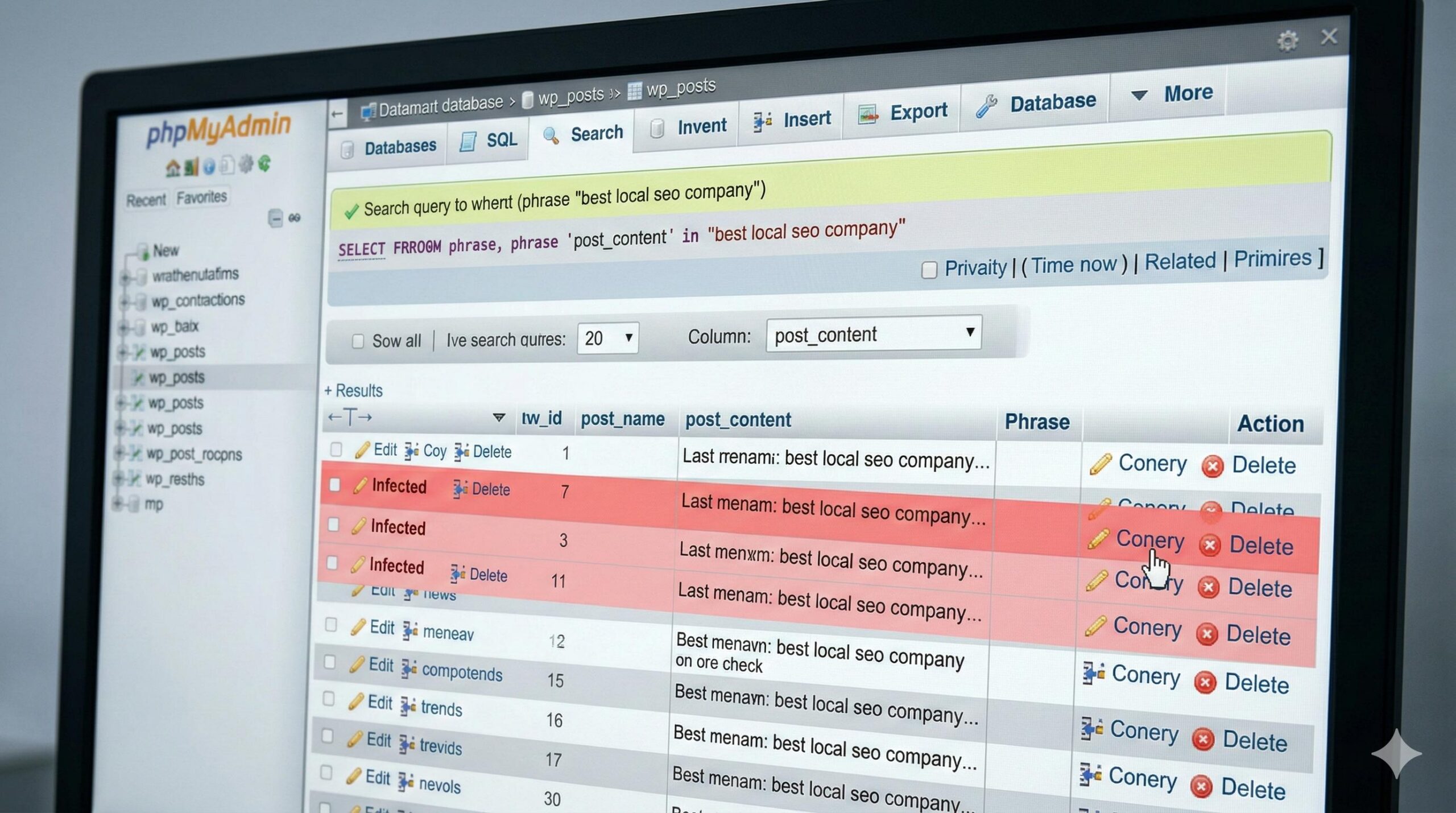
To resolve a database-level injection, you will need to access your database management tool provided by your hosting company. From there, you can run a search query across your database tables for the exact phrase. Safely deleting these specific unauthorized insertions will clean the database. It is highly recommended to perform a complete backup of your database before attempting any direct edits, ensuring you can restore your site if a mistake occurs during the cleanup process.
Securing Your Website Against Future Injections
Once you have successfully removed the text from your files, database, and comments, your next priority is establishing strong preventive measures to block future unauthorized modifications.
Begin by updating everything. Ensure your WordPress core, all themes, and all plugins are running their latest versions. Developers regularly release security patches specifically designed to block the vulnerabilities that allow these keyword injections to occur.

Next, lock down your comments section. If your site does not rely heavily on user interaction, consider disabling comments on older posts automatically. For active comment sections, install a robust anti-spam solution to filter out automated bots. Finally, implement a reputable WordPress security plugin to act as a firewall and actively scan your file system for unauthorized changes.
Frequently Asked Questions About This Spam Injection
Why did my site specifically get targeted with the “best local seo company” keyword? Hackers and spam bots rarely target small websites personally. They use automated software to scan millions of websites looking for known vulnerabilities, such as an outdated plugin. When they find a weak point, the script automatically drops their client’s keyword into your code to build a free backlink.
Will this spam injection ruin my website’s search engine rankings? If left unresolved for a long time, yes. Search engines like Google regularly scan websites for malicious code and deceptive spam. If they detect hidden keywords unrelated to your actual content, they may lower your rankings or display a warning to your visitors. Removing the injected text quickly protects your site’s reputation.
Can I fix this issue without hiring a professional developer? Yes, most basic spam injections can be resolved by a site owner. By simply updating your core files, deleting suspicious plugins, and running a free WordPress security scanner, you can often clear the infection yourself. However, if the issue keeps returning after you clean it, you may need a security expert to find the hidden “backdoor” file the hackers left behind.
Best Ahrefs Alternatives for WordPress Bloggers: Top SEO Tools (2026)
Conclusion
Fixing the “best local seo company” spam injection might feel overwhelming, but it is a highly common WordPress issue that can be fully resolved without starting your website from scratch. By carefully checking your widgets, testing your themes for malicious code, and securely cleaning your database, you can completely remove the unauthorized text. Always remember that keeping your plugins, themes, and WordPress core constantly updated is your absolute best defense against these automated attacks. With a little patience and the right troubleshooting steps, your website will be clean, safe, and fully back under your control.