
Introduction
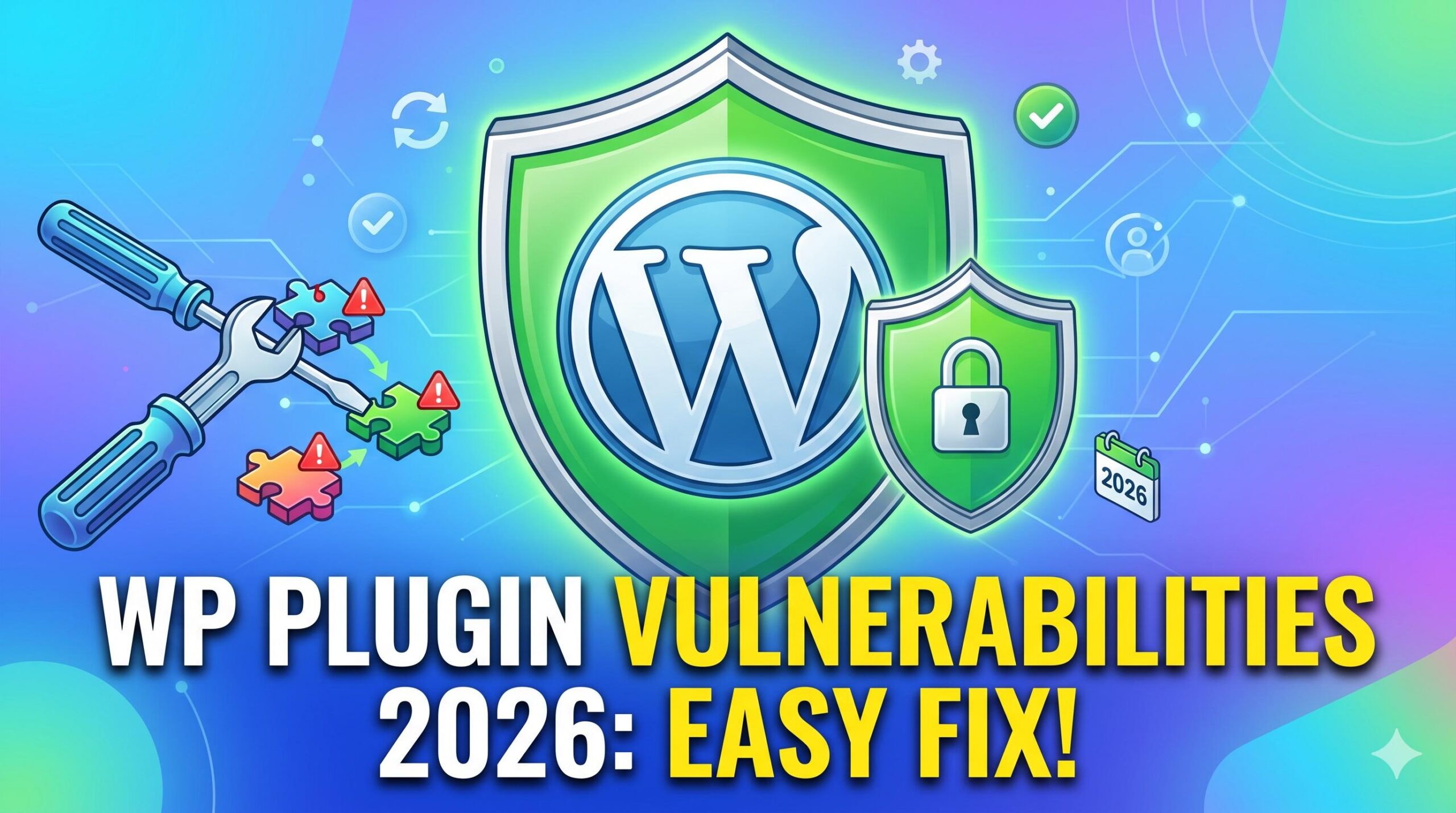
There is more power, for WordPress running in 2026, than ever but that comes with the need to stay abreast of security alerts. So, if you recently saw such notification related to Latest WordPress Plugin Vulnerabilities 2026, you must be somewhere where out of your wits. In simple terms, it means newly found security holes or weaknesses in the coding of certain plugins that can be exploited to gain unauthorized access (or doing something bad on your site).
You´ll most often find these alerts within your WordPress dashboard, security plugin reports or through hosting notifications. Why do they appear? Because as technology advances, researchers discover “bugs” in old code and they have to be patched. This guide is intended to assist you in troubleshooting these alerts without losing your mind, as this is for educational purposes.
Table of Contents
What are the Latest WordPress Plugin Vulnerabilities 2026?
This year, when we refer to the new WordPress plugin vulnerabilities 2026, is talking about your major “threat landscape. As you probably know, security is a moving target: What was perfectly safe with the plugin in 2025 might be inadmissible today since a new digital threat type has come to light. According to the authorities, the majority of these vulnerabilities are detected by ethical hackers and security firms, which subsequently inform developers.
The focus is on remediation before exploitation takes place. For a site admin or blogger, this alert means you don’t have to worry about someone invading your entire house, but that your “door” is extremely weak and needs a better lock.
Where to Find Vulnerability Alerts on Your Site
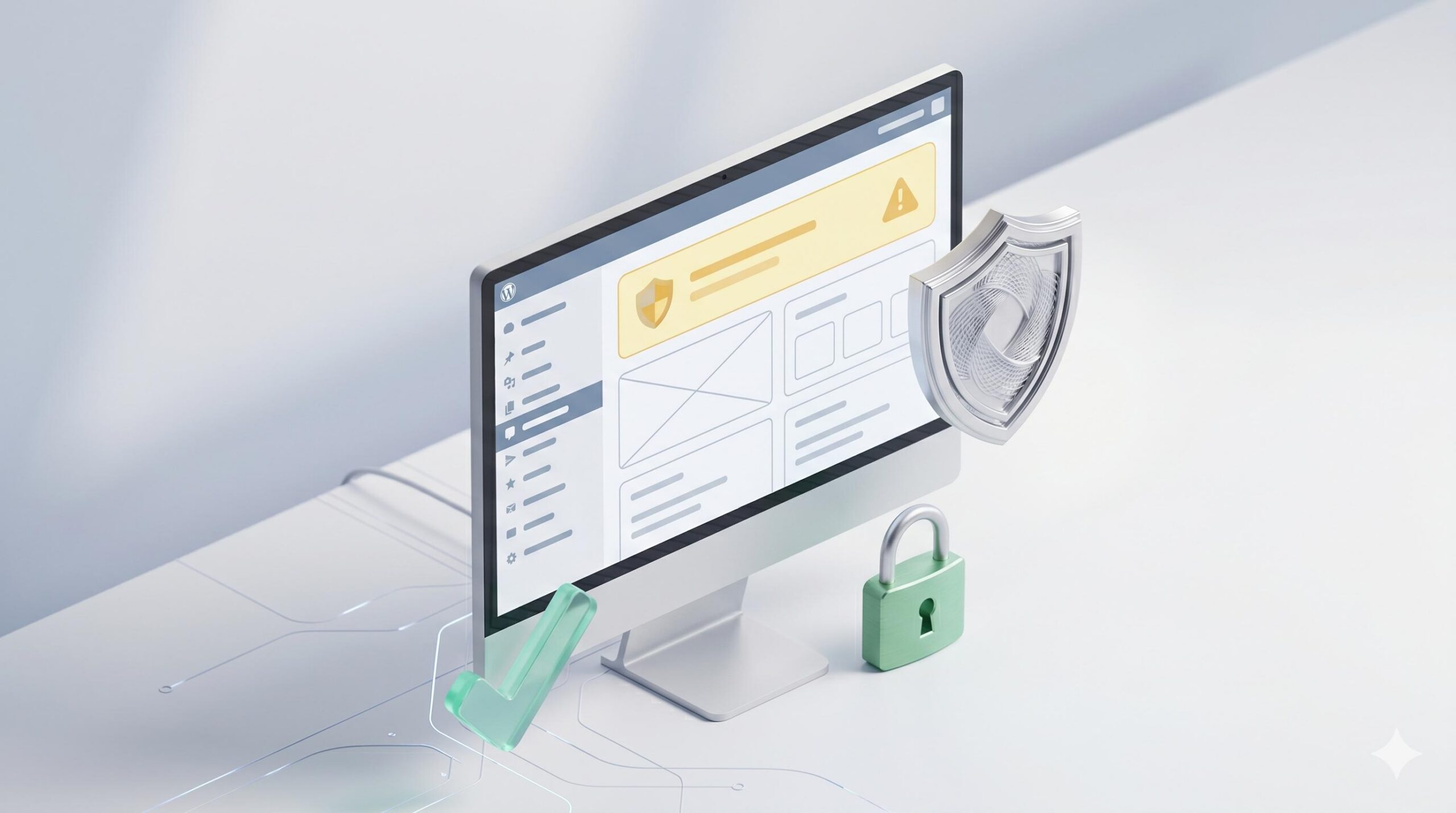
You don’t need to be a security expert to find these issues. Most WordPress users encounter the latest WordPress plugin vulnerabilities 2026 in these three locations:
- Site Health Tool: Go to the Tools > Site Health. WordPress also uses this area to notify you about any plugins with a known critical issue.
- Security Plugins: These include tools like Wordfence or Solid Security which continually check databases of known threats. They will mark certain plugins in red if they corresponds with a 2026 vulnerability entry.
- The Plugin Dashboard: On occasion, a plugin developer will add a notice directly on the Plugins page that instructs you to update right away due to a security patch.
How to Resolve These Vulnerabilities (Step-by-Step)
If you find that your site is running a plugin with a known flaw, follow these beginner-friendly steps to secure your site.
1. The “Update First” Method

The most common resolution for the latest WordPress plugin vulnerabilities 2026 is a simple update.
- Go to Plugins > Installed Plugins.
- Click Update Now on any flagged plugin.
- Once updated, clear your site cache to ensure the new, secure code is active.
2. Deactivating Unpatched Plugins

If a plugin is flagged but there is no update available, the developer may still be working on a fix. In this case, the safest troubleshooting step is to:
- Deactivate the plugin.
- Find a temporary alternative to keep your site’s functionality.
- Delete the vulnerable version entirely from your server until a patch is released.
3. Replace Abandoned Plugins
In 2026, many older plugins are no longer maintained. If a plugin hasn’t been updated in over a year and is now showing a vulnerability, it is highly recommended to switch to a modern, supported alternative. Look for “Last Updated” timestamps in the WordPress Plugin Repository.
Preventive Maintenance for 2026
To avoid constantly chasing the latest WordPress plugin vulnerabilities 2026, adopt these habits:
- Limit your plugin count: Use only what you absolutely need.
- Enable auto-updates: For reputable, major plugins, let WordPress handle the security patches for you.
- Use a Web Application Firewall (WAF): This acts as a shield, blocking common attacks even if a plugin has a temporary vulnerability.
How to Check If a WordPress Plugin Is Safe: A Complete Beginner’s Guide
Frequently Asked Questions (FAQ)
Does a vulnerability alert mean my site is already hacked?
Not necessarily. Vulnerability is the chance of a security breach. Updating or removing the flagged plugin right away means you are shutting the proverbial door before anyone walks through it.
Can I fix a vulnerability by just changing my password?
No. Even the strongest passwords won’t be a match for latest WordPress vulnerability plugin 2026, which is typically a code-level problem. This means that they need to change the software itself, in order to patch up the logic flaw of the plugin.
Is it safe to keep a vulnerable plugin if it’s deactivated?
Safer to just delete it. Even after deactivation they include files somewhere on your server that can potentially be accessed by advanced scanning tools. Take it away if you are not using it and it’s defenceless.
Where can I see a list of all current vulnerabilities?
Checking the official databases for this kind of issues, for example WPScan Vulnerability Database or CVE (Common Vulnerabilities and Exposure) list will allow you to have full knowledge about plugins or any other part good know vulnerabilities. Well, most WordPress security plugins use those sources to get their data.
Conclusion
As with anything else website owner software-related, managing WordPress plugin vulnerabilities 2026 are something that comes with the territory. A couple of things you want to remember while getting frightened: stay calm and just follow the standard trouble shooting workflow, that is Update/deactivate/replace Is your WordPress site secure? Just remember that the whole point of these alerts is to keep you abreast. The best way to keep your blogging adventure from being interrupted is to check in with your Site Health regularly and stay up to date with software. Keep learning, stay ahead of the game, and your site will be a safe haven for users.